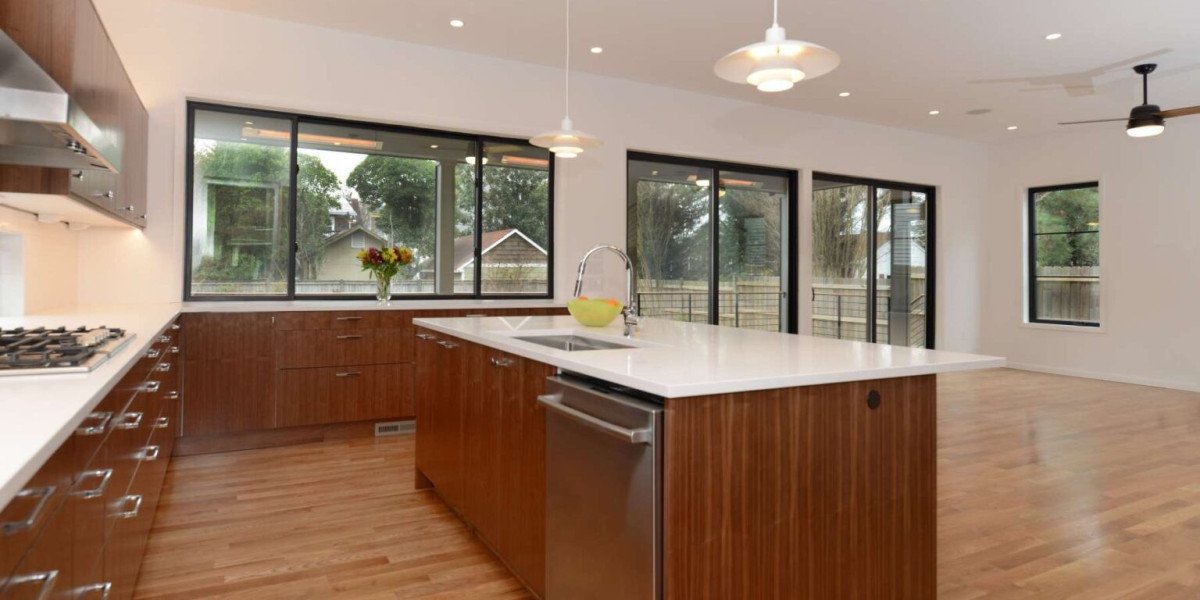

Designing a kitchen today goes beyond aesthetics and functionality—it’s also about sustainability. IKEA has increasingly prioritized eco-friendly materials and solutions, making it possible to plan a kitchen that is both stylish and kind to the environment. From responsibly sourced cabinets to energy-efficient appliances, homeowners can reduce their carbon footprint without compromising on design or practicality.
IKEA Kitchen Planning offers modular kitchen systems that support eco-conscious choices through sustainable materials, energy-saving features, and long-lasting design.
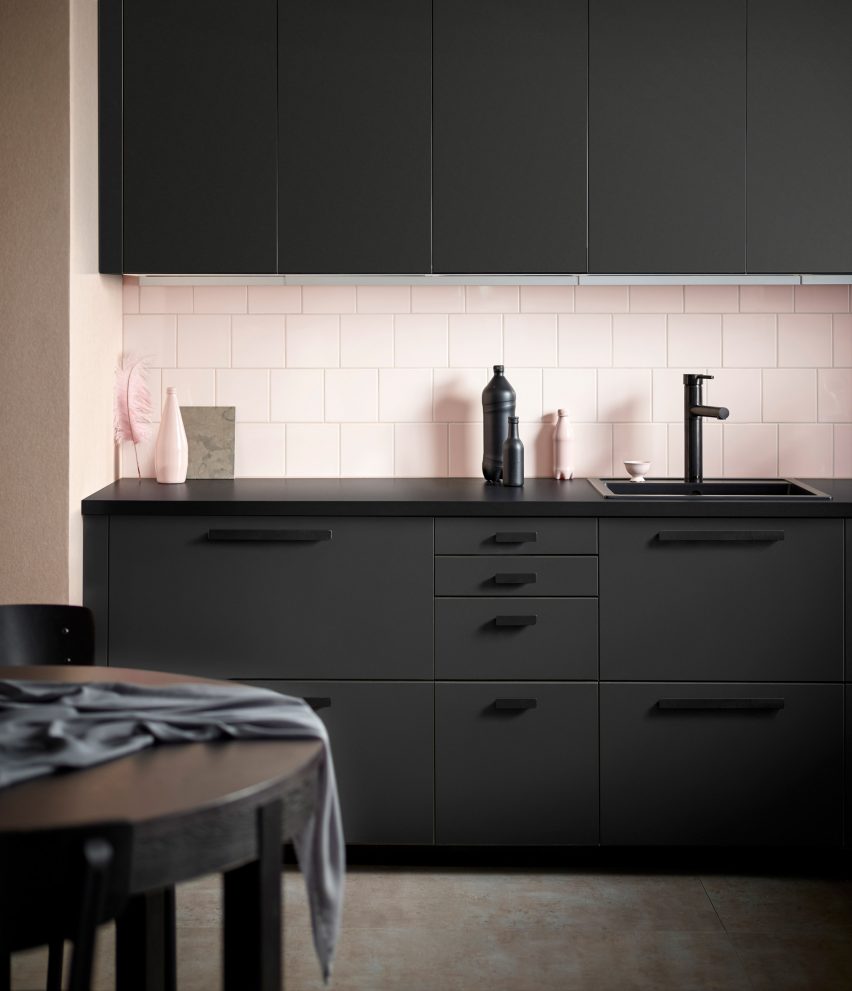
1. Choose Sustainable Cabinet Materials
Cabinet selection is one of the most impactful decisions for a sustainable kitchen:
Look for FSC-certified wood or wood-based panels from responsibly managed forests.
Consider recycled or low-emission MDF for cabinetry to reduce environmental impact.
IKEA’s modular design allows you to reuse frames and replace fronts for updates without discarding the entire unit.
Sustainable materials ensure your kitchen is durable while minimizing ecological impact.
2. Select Low-Impact Countertops
Worktops can also contribute to sustainability:
Opt for laminate or wood-effect surfaces that require fewer natural resources than stone.
Reclaimed wood or bamboo worktops offer renewable and durable alternatives.
Long-lasting, low-maintenance surfaces reduce replacement frequency, lowering waste.
Eco-conscious choices here balance style, durability, and environmental responsibility.
3. Energy-Efficient Appliances
Energy consumption is a major factor in sustainable kitchens:
Choose A++ or higher-rated appliances to save electricity and water.
Integrated appliances minimize wasted energy by fitting perfectly into modular layouts.
Efficient fridges, dishwashers, and induction cooktops reduce environmental impact over time.
Investing in energy-efficient appliances is cost-effective and eco-friendly.
4. Maximize Storage to Reduce Waste
Smart storage contributes to sustainability by preventing food waste:
Deep drawers, pull-out pantry units, and corner carousels make food easy to organize and access.
Modular organizers allow efficient separation of perishables, snacks, and bulk items.
Clear visibility reduces forgotten items and spoilage, helping your household reduce waste.
Sustainable kitchens are functional kitchens.
5. Minimize Plastic and Non-Recyclable Materials
Pay attention to accessories and finishes:
Opt for metal, glass, or wood organizers instead of single-use plastic.
Use recyclable or biodegradable containers for storage and pantry items.
Choose eco-friendly paints, adhesives, and sealants with low VOC emissions.
These small choices collectively improve indoor air quality and reduce environmental impact.
6. Plan for Longevity and Modularity
IKEA’s modular kitchens are inherently sustainable:
Upgrade individual components—like cabinet fronts or handles—without replacing the entire system.
Reconfigure cabinets as your needs change, reducing the need for new furniture.
Durable construction ensures your kitchen lasts for decades, preventing unnecessary waste.
Planning for longevity is one of the most eco-conscious decisions you can make.
7. Eco-Friendly Lighting and Fixtures
Sustainable kitchens include energy-efficient lighting:
Use LED under-cabinet strips for task lighting.
Choose low-energy pendant lights over islands and dining areas.
Water-saving faucets reduce consumption without sacrificing performance.
Efficient lighting and fixtures lower energy and resource usage while maintaining comfort and style.
8. Emphasize Minimalism and Function
A minimalist approach naturally supports sustainability:
Fewer materials, simpler layouts, and multi-functional storage reduce environmental impact.
Clutter-free kitchens are easier to clean and maintain, extending the life of surfaces and cabinetry.
Focus on quality over quantity, choosing durable, versatile components that last longer.
Sustainable design and minimalist aesthetics go hand in hand.
Conclusion
Eco-friendly IKEA kitchen planning combines sustainability with style and functionality. By choosing responsibly sourced cabinets, low-impact countertops, energy-efficient appliances, and smart storage solutions, homeowners can reduce their environmental footprint without compromising on design.