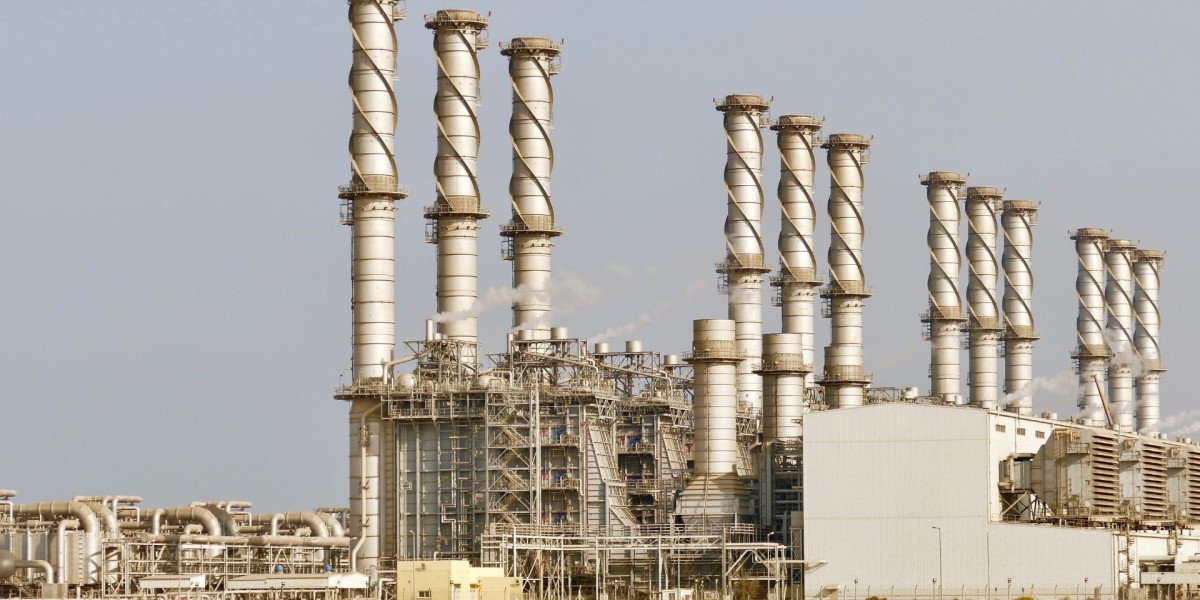

Desalination Market to Reach US$ 40.28 Billion by 2033 Amid Rising Water Demand
The global desalination market is entering a high-growth phase, driven by escalating water scarcity, rapid urbanization, and increasing industrial demand for freshwater resources. According to insights from Renub Research, the market is projected to expand from US$ 17.64 billion in 2024 to US$ 40.28 billion by 2033, registering a compound annual growth rate (CAGR) of 9.61% between 2025 and 2033.
As global freshwater resources become increasingly strained, desalination is emerging as a critical solution to ensure sustainable water supply for municipal, industrial, and agricultural needs.
Download Free Sample Report:https://www.renub.com/request-sample-page.php?gturl=global-desalination-market-p.php
Market Overview: Addressing a Growing Global Water Crisis
Desalination is the process of removing salts, minerals, and impurities from seawater, brackish water, or wastewater to produce clean, drinkable water. The technology has become indispensable in regions facing chronic water shortages, particularly in arid and semi-arid areas.
The most widely used desalination methods include reverse osmosis (RO), where water is filtered through semi-permeable membranes, and thermal processes such as multi-stage flash (MSF) and multi-effect distillation (MED), which rely on heat to separate salt from water.
Desalinated water plays a vital role in supplying drinking water, supporting industrial operations, and enabling agriculture in water-scarce regions. Countries such as Saudi Arabia, the United Arab Emirates, and Israel heavily rely on desalination to meet their water demands.
Key Growth Drivers Powering the Market
Escalating Global Water Scarcity
One of the most significant drivers of the desalination market is the growing global water crisis. Rapid population growth, climate change, and industrial expansion are putting immense pressure on existing freshwater resources.
Studies indicate that nearly two-thirds of the world’s population experiences water shortages for at least one month each year. By 2030, millions of people could be displaced due to extreme water scarcity, highlighting the urgent need for sustainable solutions.
Desalination offers a reliable and scalable method for producing freshwater, making it a crucial component of global water security strategies.
Technological Advancements Enhancing Efficiency
Technological innovation is transforming the desalination landscape, making it more energy-efficient and cost-effective. Reverse osmosis, in particular, has become the dominant technology due to its lower energy consumption and operational efficiency.
Advancements in membrane technology, energy recovery systems, and automation are significantly reducing operational costs and environmental impact. Digital solutions, including smart monitoring and predictive maintenance, are further improving plant efficiency.
These innovations are enabling desalination to become a more viable solution for a wider range of regions, including developing economies.
Government Initiatives and Strategic Investments
Governments worldwide are investing heavily in desalination infrastructure to ensure long-term water security. Public-private partnerships, subsidies, and policy support are accelerating the development of large-scale desalination plants.
Middle Eastern countries continue to lead in desalination capacity, while Asia-Pacific and North America are emerging as key growth regions. Strategic investments in water infrastructure are not only addressing immediate water shortages but also supporting economic development.
Large-scale projects and international collaborations are further driving the expansion of the desalination market.
Challenges Impacting Market Growth
High Energy Consumption and Operational Costs
Despite technological advancements, desalination remains an energy-intensive process. High energy consumption contributes significantly to operational costs, making desalination less accessible for some regions.
The reliance on non-renewable energy sources also raises concerns about environmental sustainability. While renewable energy integration is gaining traction, it is not yet widespread enough to fully address these challenges.
Environmental Concerns and Marine Impact
Desalination processes generate brine, a highly concentrated salt solution that can harm marine ecosystems when discharged into the ocean. Additionally, energy-intensive operations contribute to carbon emissions.
Balancing the need for freshwater with environmental protection remains a critical challenge for the industry. Ongoing research and innovation are focused on minimizing ecological impact through improved waste management and sustainable practices.
Segment Insights: Technology and Application Trends
Reverse Osmosis Dominates the Market
Reverse osmosis (RO) is the most widely adopted desalination technology due to its efficiency and cost-effectiveness. Continuous improvements in membrane technology are enhancing performance while reducing energy consumption.
RO systems are extensively used in both municipal and industrial applications, making them a cornerstone of the desalination market.
Municipal Segment Leads Demand
The municipal segment accounts for a significant share of the market, as governments prioritize the provision of safe drinking water to growing urban populations.
Large-scale desalination plants are being developed to meet the needs of cities facing severe water shortages. Public-private partnerships are playing a crucial role in financing and implementing these projects.
Industrial Applications on the Rise
Industrial desalination is gaining momentum as industries seek reliable water sources for operations. Sectors such as oil and gas, power generation, and manufacturing require substantial volumes of water, driving demand for desalination solutions.
Customized desalination systems tailored to specific industrial needs are becoming increasingly popular.
Seawater Desalination Leads by Source
Seawater desalination dominates the market due to the abundance of ocean water. Advanced technologies are making seawater desalination more efficient and environmentally sustainable.
Countries with long coastlines and limited freshwater resources are particularly reliant on this segment for ensuring water security.
Regional Insights: Global Market Expansion
Middle East: A Global Leader
The Middle East remains the largest market for desalination, driven by extreme water scarcity and strong government support. Countries such as Saudi Arabia and the UAE have invested heavily in large-scale desalination projects.
These nations are also integrating renewable energy into desalination processes to improve sustainability.
United States: Growing Investments
In the United States, desalination is gaining traction in water-scarce states such as California, Texas, and Arizona. Government support and private sector investments are driving the development of advanced desalination facilities.
Innovations in technology and the integration of renewable energy are further supporting market growth.
China: Rapid Expansion
China’s desalination market is expanding rapidly due to increasing water demand and urbanization. Government initiatives focused on infrastructure development and water security are driving investments in desalination projects.
Collaborations with global technology providers are enhancing the country’s desalination capabilities.
Europe: Focus on Sustainability
European countries, particularly Germany, are focusing on energy-efficient and environmentally friendly desalination solutions. Research and development initiatives are driving innovation in sustainable water treatment technologies.
Competitive Landscape and Key Players
The global desalination market is highly competitive, with leading companies focusing on innovation, strategic partnerships, and expansion into emerging markets.
Key players include:
- Acciona
- Dow
- Evoqua Water Technologies
- Siemens AG
- DuPont
- Doosan Enerbility
- Toray Industries, Inc.
- Xylem
These companies are investing in advanced technologies and sustainable solutions to strengthen their market position and meet growing global demand.
Market Segmentation Overview
The desalination market is segmented based on:
Technology
- Reverse osmosis
- Multi-stage flash distillation
- Multi-effect distillation
- Others
Application
- Municipal
- Industrial
- Others
Water Source
- Seawater
- Brackish water
- River water
- Others
Regions
- North America
- Europe
- Asia-Pacific
- Latin America
- Middle East & Africa
Future Outlook: A Critical Solution for Global Sustainability
The future of the desalination market is closely tied to global efforts to address water scarcity and ensure sustainable resource management. Technological advancements, combined with increasing investments and policy support, are expected to drive continued growth.
The integration of renewable energy, such as solar and wind power, into desalination processes will play a crucial role in reducing environmental impact and improving cost efficiency.
As water demand continues to rise, desalination will become an increasingly important component of global water infrastructure.
Final Thoughts
The global desalination market is poised for significant expansion, driven by the urgent need for sustainable water solutions. With the market expected to reach US$ 40.28 billion by 2033, the outlook remains highly optimistic.
While challenges such as high energy consumption and environmental concerns persist, ongoing innovation and strategic investments are paving the way for a more sustainable future. Desalination is no longer just an alternative—it is becoming a necessity in addressing the world’s growing water crisis.