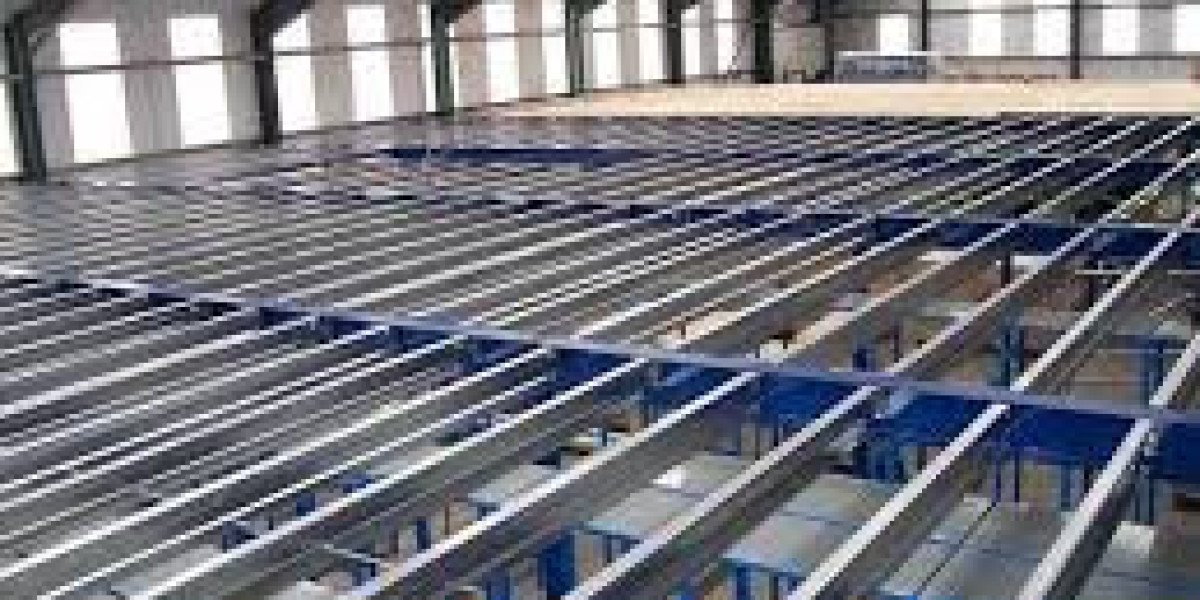

A mezzanine floor kits solution is becoming increasingly popular across Australia for businesses and homeowners who want to maximise vertical space without the cost of relocating or building extensions. These kits provide a practical, flexible, and cost-effective way to add an extra level within existing buildings, making them ideal for warehouses, sheds, retail stores, and even modern homes.
In this article, we’ll explore what mezzanine floor kits are, how they work, their benefits, design considerations, and why they are widely used across Australian industries.
What Are Mezzanine Floor Kits?
Mezzanine floor kits are pre-engineered structural systems designed to create an intermediate floor between the main floors of a building. Essentially, they allow you to build an additional usable level within a high-ceiling space without major structural renovations.
In Australia, these kits are commonly used in industrial sheds, storage facilities, and commercial buildings where floor space is limited but vertical height is available. The kits typically include steel columns, beams, decking panels, stairs, and safety railings, all designed to meet Australian building standards.
Why Mezzanine Floors Are Popular in Australia
Space is a valuable asset in Australian cities where commercial and industrial property prices continue to rise. Instead of moving to larger premises, many businesses are choosing mezzanine floor systems to optimise their existing footprint.
Some of the key reasons for their popularity include:
- High property costs in urban areas like Sydney, Melbourne, and Brisbane
- Increased demand for storage and operational efficiency
- Flexibility for future expansion without structural demolition
- Compliance with Australian workplace safety regulations
Mezzanine floors offer a smart way to expand upwards rather than outwards, which is especially useful in industrial sheds and warehouses.
Key Components of Mezzanine Floor Kits
A typical mezzanine floor kit in Australia includes several essential components designed for strength and safety:
1. Steel Framework
The primary structure consists of heavy-duty steel columns and beams. These provide stability and support for the upper level.
2. Decking System
The floor surface is usually made from particleboard, steel grating, or composite panels. The choice depends on load requirements and intended use.
3. Support Columns
Vertical columns transfer the load from the mezzanine to the building’s foundation.
4. Access Stairs
Stairs are included for safe and easy access to the upper level. These are designed to meet Australian safety codes.
5. Safety Railings
Guardrails and handrails are essential for preventing falls and ensuring compliance with occupational health and safety standards.
Benefits of Using Mezzanine Floor Kits
There are many advantages to installing mezzanine floor systems in Australian properties. These include:
Increased Space Without Relocation
One of the biggest benefits is the ability to double usable floor space without moving premises or expanding the building footprint.
Cost-Effective Expansion
Compared to constructing a new building or leasing additional space, mezzanine floor kits are far more affordable.
Quick Installation
Because the components are prefabricated, installation is relatively quick and causes minimal disruption to business operations.
Customisable Design
Mezzanine systems can be tailored to suit different load capacities, layouts, and building dimensions.
Improved Efficiency
Businesses can separate operations more effectively—such as using the lower level for production and the upper level for storage or office space.
Common Uses of Mezzanine Floors in Australia
Mezzanine floor kits are used across a wide range of industries in Australia:
- Warehouses: For additional storage racks and inventory management
- Retail stores: To create extra display or stock areas
- Industrial sheds: To separate machinery and office spaces
- Automotive workshops: For parts storage and administrative areas
- Residential properties: In modern homes with high ceilings or loft-style designs
Their versatility makes them suitable for both commercial and light industrial applications.
Design Considerations
Before installing a mezzanine floor kit, several important factors must be considered to ensure safety and functionality.
Load Capacity
Understanding how much weight the mezzanine will need to support is crucial. This includes equipment, stock, or people.
Ceiling Height
Adequate vertical clearance is required to ensure both levels are usable and comply with building regulations.
Building Regulations
In Australia, mezzanine floors must comply with the National Construction Code (NCC) and local council requirements.
Fire Safety
Depending on the size and use of the mezzanine, fire exits, sprinklers, and fire-rated materials may be required.
Access and Workflow
Efficient design should ensure smooth movement of goods and people between levels.
Installation Process
Installing a mezzanine floor kit typically involves several stages:
- Site inspection and measurement
- Engineering design and approval
- Manufacturing of components
- On-site assembly and installation
- Safety inspection and certification
Professional installation is highly recommended to ensure compliance with Australian standards and workplace safety laws.
Maintenance and Longevity
Mezzanine floors are designed to be durable and long-lasting, especially when made from high-quality steel. Regular inspections should be carried out to check for:
- Structural integrity
- Loose bolts or fittings
- Wear on flooring materials
- Safety railing stability
With proper maintenance, a mezzanine floor can last for decades, making it a strong long-term investment.
Final Thoughts
Mezzanine floor kits offer a practical and efficient solution for Australians looking to maximise space without expensive construction or relocation. Whether used in warehouses, retail environments, or industrial facilities, these systems provide flexibility, cost savings, and improved productivity.
As property costs continue to rise across Australia, mezzanine flooring is expected to remain a popular choice for businesses seeking smart spatial solutions. By investing in a well-designed system, organisations can significantly improve operational efficiency while making the most of their existing space.