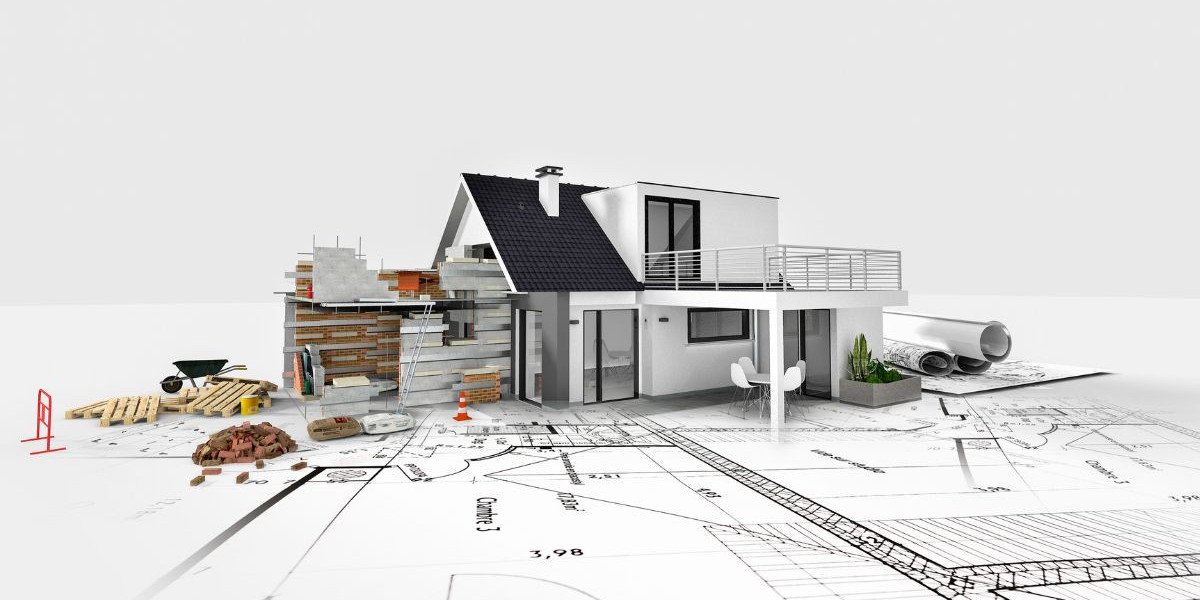

In today’s world of home renovations and modern living, visualizing your dream space before implementation is crucial. This is where 3D interior design comes in, offering homeowners a realistic view of how their interiors will look. But how does it differ from traditional 2D design methods? Understanding the distinction between 2D design plans and 3D interior design can help you make informed decisions during your design planning journey.
What is 2D Design?
2D design plans are flat, two-dimensional representations of a space. They typically include floor layouts, measurements, and the placement of furniture and fixtures. Architects and designers have used 2D plans for decades because they provide a clear and precise blueprint for construction and architectural design.
While 2D design plans are essential for technical accuracy, they lack depth and realism. Homeowners may find it challenging to visualize how a room will look with colors, textures, lighting, and furniture arrangements. This is where 3D interior design fills the gap.
What is 3D Interior Design?
3D interior design is a digital approach that brings your interior ideas to life using computer-generated models. Unlike flat 2D plans, 3D design allows you to see your space from multiple angles, providing a realistic view of furniture, décor, lighting, and color schemes.
With 3D interior design, homeowners can virtually “walk through” their home before the first nail is hammered. This immersive experience aids in better decision-making and ensures that the final result aligns with your expectations.
Key Differences Between 2D and 3D Interior Design
1. Visualization
The most obvious difference is visualization. 2D design plans offer a schematic representation of the space, showing dimensions and layout but not depth or detail. In contrast, 3D interior design provides realistic renderings that capture textures, materials, and lighting. This makes it easier for homeowners to envision the final outcome and avoid costly mistakes.
2. Accuracy and Detail
While 2D design plans are precise in terms of measurements and layout, they cannot convey the aesthetics of the space. 3D interior design, however, integrates every detail, including furniture proportions, color combinations, and lighting effects. This results in a more comprehensive understanding of how each element interacts in the room.
3. Communication
3D interior design improves communication between designers, architects, and homeowners. Instead of relying solely on technical drawings, designers can showcase realistic models, making it easier for clients to provide feedback. This collaborative approach enhances interior design visualization and ensures that everyone is on the same page during design planning.
4. Time Efficiency
While 2D design plans are quicker to produce, they often require multiple revisions as homeowners struggle to visualize the final space. 3D interior design, on the other hand, allows instant modifications, enabling rapid experimentation with layouts, colors, and materials. This makes the design process more efficient and less stressful.
5. Cost-Effectiveness
Investing in 3D interior design can save money in the long run. By visualizing potential issues before implementation, homeowners can avoid mistakes, reduce material wastage, and plan budgets more accurately. This is particularly useful during home renovations or when working on complex architectural design projects.
6. Realistic Design Planning
3D interior design enhances design planning by providing a virtual walkthrough of your home. You can see how furniture fits in the space, evaluate lighting effects, and experiment with different layouts without physically moving items. This level of realism is impossible with flat 2D plans and ensures a smoother execution phase.
7. Versatility
With 3D interior design, every aspect of the home can be explored—from living rooms and bedrooms to kitchens and bathrooms. You can even visualize exterior elements, creating a holistic understanding of the property. This versatility makes 3D interior design an invaluable tool for modern homeowners who want precise interior design visualization.
8. Integration with Technology
3D interior design integrates seamlessly with modern tools and software, allowing designers to use virtual reality (VR) or augmented reality (AR) to create immersive experiences. Homeowners can explore spaces in real-time, making it easier to finalize materials, finishes, and layouts. This technology-driven approach is changing how we approach interior design visualization today.
9. Enhanced Creativity
Unlike traditional 2D design plans, which are limited to lines and symbols, 3D interior design encourages creativity. Designers can experiment with textures, patterns, lighting schemes, and furniture arrangements to craft a unique space that aligns with the homeowner’s style.
10. Improved Client Satisfaction
Ultimately, 3D interior design ensures higher client satisfaction. Homeowners feel confident in their choices, understand the design thoroughly, and experience fewer surprises during implementation. The result is a beautifully executed space that matches the envisioned concept.
Conclusion
While 2D design plans remain essential for technical accuracy, 3D interior design is revolutionizing how homeowners visualize and experience their spaces. From realistic renderings and efficient design planning to enhanced interior design visualization, 3D solutions provide unmatched clarity and creativity for modern homes.
For homeowners in Virar and Mira Road seeking expert guidance in 2D 3D interior design and comprehensive architectural design, Richwood Interio offers professional solutions tailored to your needs. Their expertise ensures your home renovation or interior project is both aesthetically pleasing and functionally sound, making your dream space a reality.