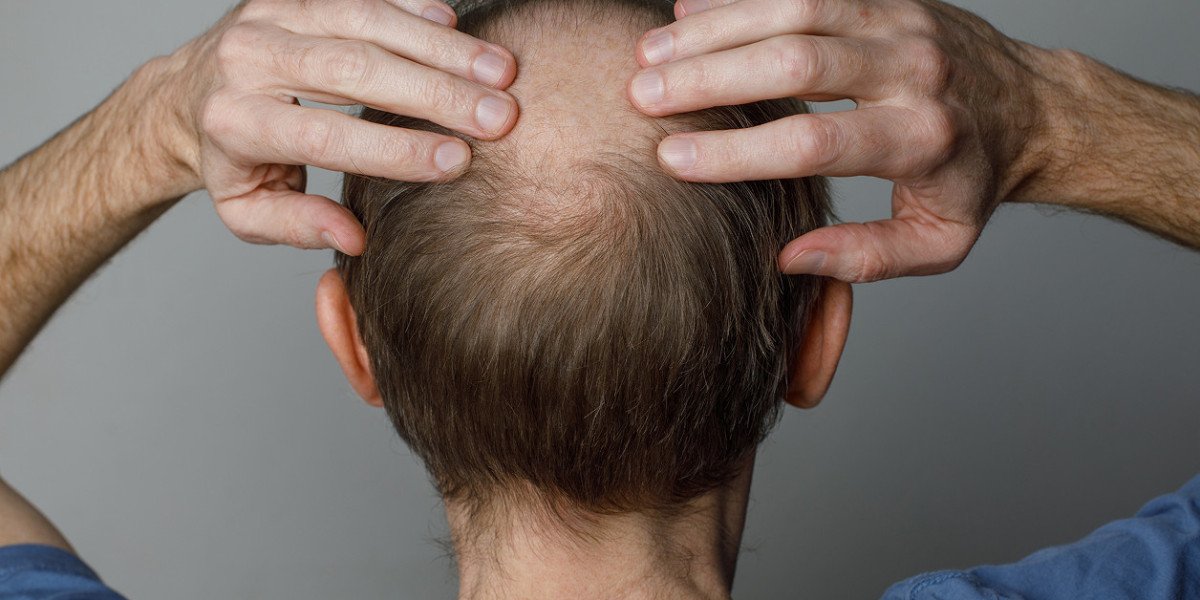

Achieving results from hair growth treatment is an exciting and rewarding milestone. However, maintaining those results requires ongoing commitment and smart strategies. Many people invest significantly in restoration only to see gains slowly reverse. Understanding why results fade and how to prevent it is absolutely essential. Long-term success depends on both the treatment completed and the habits adopted afterward.
Why Maintenance Is Essential After Hair Treatment
Hair growth is a biological process governed by complex and ongoing hormonal cycles. The factors that originally caused hair loss do not disappear after treatment. DHT continues to affect follicles unless actively managed with appropriate interventions. Without continued support, follicles can revert to miniaturization and decline.
Non-surgical treatments stimulate and support follicle activity during their administration. When treatment stops, that external support is removed from the system. Follicles that were energized by PRP or laser therapy may gradually slow again. A maintenance program extends the benefits by sustaining the improved follicular environment.
Understanding the Hair Growth Cycle
Maintaining results requires understanding the natural hair growth cycle. Hair grows in three phases: anagen (active growth), catagen (transition), and telogen (rest). Treatment extends the anagen phase and increases the proportion of active follicles. Without maintenance, the cycle naturally shifts back toward shorter growth phases.
Results from hair restoration treatments typically develop over six to twelve months. Full maintenance benefits are often seen one to two years after beginning treatment. This extended timeline means that early abandonment of maintenance misrepresents true potential. Patience and consistency are the cornerstones of long-term hair restoration success.
Maintenance Strategies for Non-Surgical Hair Restoration
Maintenance does not typically require the same frequency as initial treatment. PRP sessions transition from monthly to quarterly after the initial series. Laser therapy can often be reduced to two or three sessions per week from daily. Topical treatments like minoxidil generally require continued daily application.
The specific maintenance schedule depends on individual response and treatment type. A specialist evaluates progress and recommends an appropriate maintenance frequency. Over-treating can be as counterproductive as under-treating in some cases. Following professional guidance ensures the maintenance phase is optimally calibrated.
The Importance of Continued Minoxidil Use
Minoxidil is one of the most important maintenance tools available. It works by continuously extending follicle growth phases and improving circulation. Discontinuing minoxidil typically results in the gradual reversal of gains within months. This is because it provides ongoing functional support rather than permanently altering follicles.
Many people make the mistake of stopping minoxidil once results appear. They interpret visible improvement as the completion of treatment rather than its continuation. Understanding that minoxidil maintains rather than cures ensures proper long-term adherence. Sustained use preserves the improvements that considerable time and investment produced.
Nutritional Maintenance for Ongoing Hair Health
Nutritional strategies used during treatment must continue in the maintenance phase. The follicle's need for essential nutrients does not diminish after restoration goals are met. Continued protein intake, iron levels, and micronutrient sufficiency remain critical. Any return to nutritional deficiency will eventually reflect in hair quality and density.
Regular blood work helps ensure nutritional markers remain in optimal ranges. Ferritin, zinc, vitamin D, and biotin levels should be monitored periodically. Adjusting supplementation based on ongoing lab results prevents silent deficiencies. This proactive nutritional monitoring is a simple but highly effective maintenance strategy.
Dietary Patterns That Support Hair Health Long-Term
A hair-supporting diet emphasizes variety, nutrient density, and adequate protein intake. Lean meats, eggs, legumes, and dairy provide the amino acids follicles require. Leafy greens, nuts, seeds, and colorful vegetables deliver essential micronutrients. Omega-3 rich foods like fatty fish support scalp health and reduce inflammation.
Processed foods, excessive sugar, and alcohol can negatively affect hormonal balance. These dietary patterns may increase DHT activity and inflammation over time. Adopting sustainable healthy eating habits protects hair restoration results long-term. Food choices are a powerful and controllable factor in hair health maintenance.
Protecting Hair and Scalp From Environmental Damage
Environmental factors can reverse restoration gains if not actively managed. UV radiation damages hair proteins and weakens shaft integrity progressively. Wearing hats or using UV-protective hair products shields hair from sun damage. This simple protective habit preserves hair strength and appearance significantly.
Heat styling tools are among the most common causes of ongoing hair damage. Excessive heat disrupts the cuticle layer and weakens the hair shaft. Limiting heat tool use and applying heat protectants reduces this damage substantially. Allowing hair to air dry when possible supports long-term structural health.
Chemical Treatments and Their Long-Term Impact
Chemical processes like coloring, perming, and relaxing damage hair progressively. These treatments alter the protein structure of the hair shaft permanently. Frequent chemical processing undermines the quality improvements achieved through restoration. Reducing chemical exposure or spacing treatments further apart protects hair health.
People who have benefited from non-surgical hair replacement should treat their hair with particular care. The gains achieved through treatment represent a significant investment worth protecting. Treating hair gently is an act of respect for that investment and effort.
Managing Stress for Sustained Hair Health
Stress is one of the most underappreciated threats to long-term hair health. Elevated cortisol from chronic stress disrupts the hair growth cycle significantly. It can push large numbers of follicles prematurely into the resting phase. The resulting shedding, called telogen effluvium, can reverse restoration gains rapidly.
Effective stress management is therefore a genuine hair health strategy. Regular exercise, mindfulness practices, and adequate sleep reduce cortisol levels. Strong social connections and professional support also buffer stress effectively. Prioritizing mental health directly supports the physical investment made in hair restoration.
Sleep and Its Role in Follicle Recovery
Quality sleep is essential for cellular repair and regeneration throughout the body. Growth hormone, which supports tissue repair, is primarily released during deep sleep. Adequate deep sleep supports follicle regeneration and hair growth cycle maintenance. Chronic sleep deprivation impairs these restorative processes and can worsen hair loss.
Maintaining a consistent sleep schedule and good sleep hygiene supports hair health. A dark, cool, and quiet sleeping environment promotes deeper and more restorative sleep. Addressing sleep disorders promptly protects both general health and hair maintenance results.
Scheduling Regular Follow-Up Appointments
Regular specialist appointments are a key component of any maintenance program. Follow-up visits allow for objective assessment of hair density and scalp health. Photographic tracking provides concrete visual evidence of maintained or improving results. Early identification of any regression allows for prompt and effective intervention.
Maintenance appointments also provide an opportunity to update the treatment plan. New treatments and technologies may enhance results beyond the initial baseline. Specialists stay current with emerging research and can introduce beneficial new options. Active engagement with a specialist ensures the maintenance phase remains optimally effective.
Recognizing Early Signs of Regression
Learning to recognize early signs of regression is an important maintenance skill. Increased shedding beyond normal daily hair loss warrants prompt evaluation. Noticeable thinning in previously restored areas should be addressed immediately. Early intervention is always more effective than waiting until regression is advanced.
Keeping a hair journal and taking monthly photographs supports monitoring. Changes are often gradual and easily overlooked without systematic tracking. Photographs taken in consistent lighting and positions reveal subtle density changes. This proactive monitoring habit is among the most valuable maintenance practices available.
Conclusion
Maintaining hair growth results requires as much commitment as achieving them. Consistent topical treatments, nutritional support, and scalp care form the maintenance foundation. Protecting hair from environmental and chemical damage preserves the quality achieved. Stress management and quality sleep support ongoing follicle health from within. Regular specialist follow-up ensures that hard-earned results are protected and sustained long-term.