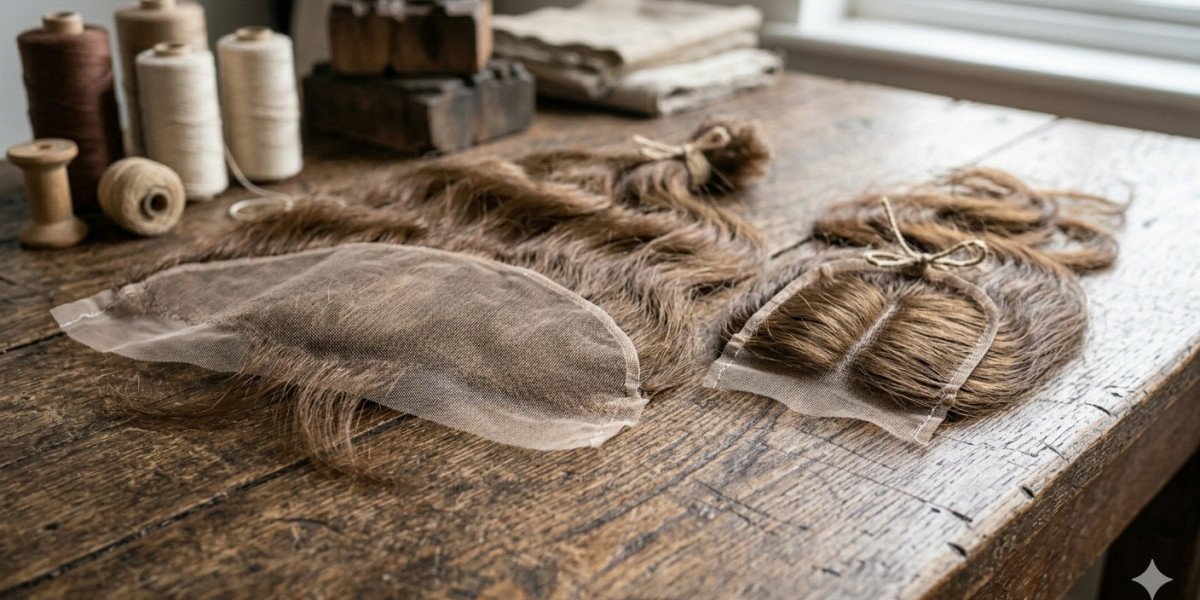

The rise of high-definition hair technology has made it easier than ever to achieve a flawless, red-carpet look. However, the true success of a protective style is not measured by how the extensions look on the day of installation, but by the health of the natural hair when the style is removed. Many enthusiasts utilize lace frontals & lace closures to give their own tresses a break from daily heat and manipulation, but without a strategic protection plan, these long-term installs can accidentally lead to thinning, dryness, or scalp irritation.
As we navigate the beauty standards of 2026, the "healthy hair first" movement has become the priority. Protecting the hair underneath your lace is a multi-step process that involves preparation, installation safety, and consistent scalp maintenance. Here is the definitive guide to ensuring your natural hair thrives while tucked away under your favorite lace units.
1. The Foundation: A Clean and Strengthened Start
Protection begins long before the first bit of adhesive is applied. The most common mistake is installing a unit on hair that is already compromised. Before your appointment, your natural hair requires a "reset" to ensure it stays healthy for the next 4 to 6 weeks.
Clarification: Use a gentle clarifying shampoo to remove all product buildup, oils, and environmental pollutants. A clean scalp is less likely to develop the itching and fungal issues that can arise in a trapped, moist environment.
Protein-Moisture Balance: Follow up with a strengthening treatment. Because the hair will be braided down and under a cap, it needs the internal strength to handle the slight tension of the braids. A deep conditioner enriched with amino acids or plant-based proteins will fortify the hair shaft.
Complete Dryness: Never install lace over damp hair. This is a recipe for mildew and "sock-smell" scalp issues. Ensure your braids are 100% dry, using a hooded dryer if necessary, before the lace is secured.
2. Strategic Braiding Patterns and Tension Control
The way your hair is braided underneath your lace frontals & lace closures determines the safety of your follicles. While a flat foundation is necessary for a realistic look, it should never come at the expense of your edges.
Edge Protection: The hairline is the most vulnerable area. When braiding, ensure the first half-inch of your "baby hairs" or edges are not pulled into the braid with high tension. Some professionals recommend "anchor braids" that start slightly behind the hairline, allowing the lace to sit on a protective cap rather than directly on stressed hair.
Braid Size: Extremely tiny braids can cause too much tension on the scalp, while very large braids create a lumpy install. Medium-sized "beehive" or straight-back patterns are generally the safest for long-term wear, as they distribute the weight of the unit evenly across the head.
3. The Role of the Barrier Cap (The "Bald Cap" Method)
The "bald cap" method is not just for aesthetics; it serves as a vital protective barrier. By using a thin, breathable stocking cap secured with a skin-safe protectant, you create a shield between your natural hair and the lace adhesive.
This barrier prevents the glue from seeping into your natural hair strands. When it comes time for removal, the adhesive stays on the cap and the lace, leaving your hair untouched. Additionally, these caps help to lay the hair flat, reducing the friction between the natural hair and the underside of the lace, which can lead to "mechanical breakage" over time.
4. Scalp Hydration in a Restricted Environment
Just because your hair is "out of sight" does not mean it should be "out of mind." A major cause of breakage during take-down is extreme dryness. Hair that is trapped for weeks without moisture becomes brittle and snaps easily.
In 2026, the use of specialized "braid sprays" or "scalp serums" with needle-nose applicators is the standard. Every week, you should apply a lightweight, watery leave-in conditioner or a scalp-soothing serum between the tracks of your braids. Look for ingredients like rosewater, aloe vera, or peppermint oil. These provide hydration and soothe any itching without leaving a heavy, greasy residue that could loosen the adhesive on your lace frontals & lace closures.
5. Proper Hygiene and "Braid-Rinsing"
Many people believe they cannot wash their hair while wearing a lace install. While you should avoid soaking the lace itself (which can loosen the glue), you can and should keep the scalp clean.
Using a damp cloth with a bit of witch hazel or a specialized scalp cleanser, you can gently wipe the exposed areas of your scalp between the braids. This removes salt from sweat and prevents the "itch-scratch" cycle that leads to scalp inflammation. If you have an active lifestyle or exercise frequently, this step is non-negotiable for preventing the buildup of bacteria.
6. The "Golden Rule" of Removal: Patience Over Force
More damage is done during the 30 minutes of removal than during the entire month of wearing the hair. If you feel any resistance while removing your lace, stop immediately.
Always use a professional-grade adhesive remover specifically designed for lace. Let the solvent sit for several minutes until the lace "slides" off on its own. If you pull at the lace, you risk pulling out your natural hair by the roots a primary cause of receding hairlines associated with long-term wig wear. Once the lace is off, use a dedicated residue remover to clean the skin and the hair before attempting to detangle.
7. The Post-Install Recovery Period
Even with the best protection, your scalp and hair need time to "breathe" between installations. The 2026 recommendation is a "7-Day Reset". After removing your unit and thoroughly cleaning your hair, wait at least one week before the next installation.
During this week, prioritize:
Scalp Massages: Stimulate blood flow to the follicles that were under tension.
Deep Hydration: Use steam treatments to push moisture deep into the hair that was braided away.
Trim Ends: If necessary, trim any split ends that occurred during the wear period.
Conclusion
Wearing lace frontals & lace closures is an art form, but protecting your natural hair is a science. By focusing on a clean foundation, tension-free braiding, consistent hydration, and a gentle removal process, you can enjoy the versatility of lace without sacrificing the health of your natural hair.
The goal of a protective style is to foster growth and strength. When you follow these steps, you ensure that every time you "unveil" your natural hair, it is longer, stronger, and healthier than it was before the install. True beauty starts at the root, and with the right care, you can have the best of both worlds.