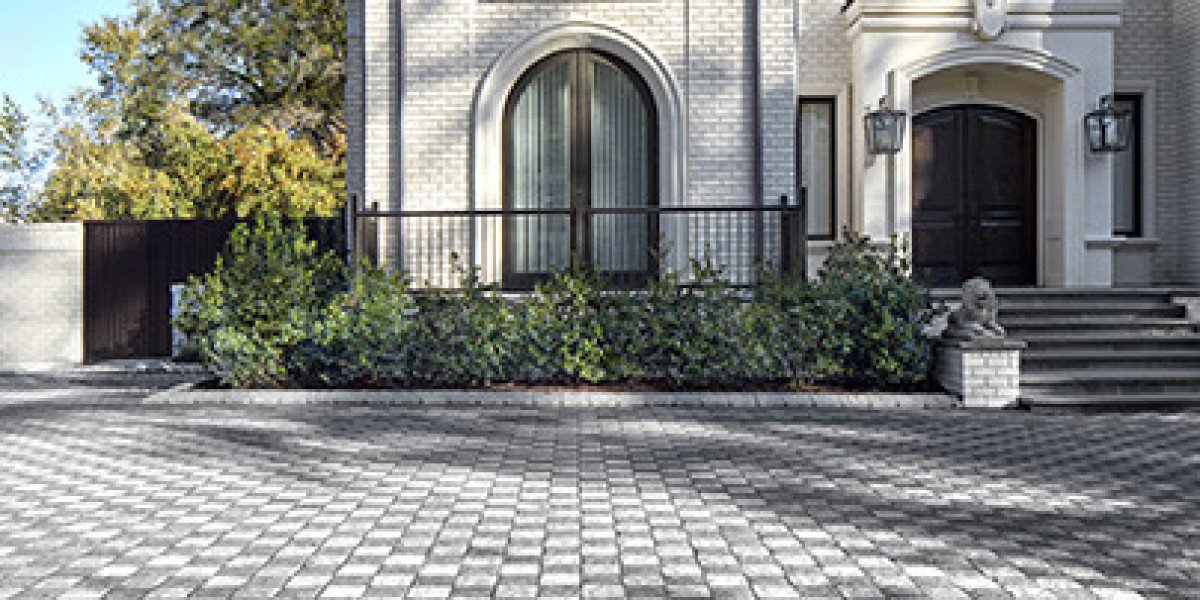

Outdoor flooring must provide stability, durability, and long-term performance. Driveways, parking areas, walkways, and public spaces require surfaces that can handle continuous movement and environmental exposure. Proper paver block installation plays a crucial role in ensuring that outdoor flooring remains strong, well-aligned, and capable of lasting for many years.
Paver blocks are widely used in modern construction because of their structural strength and flexible design. However, their true performance depends on correct installation techniques. When installed with proper base preparation and alignment, paver blocks create a surface that is both durable and visually organized.
Understanding Paver Block Installation
Paver block installation refers to the process of placing precast concrete blocks on a prepared foundation to create an interlocking outdoor surface. Unlike traditional concrete flooring, paver blocks are laid individually and connected through joint filling and compaction.
This method provides better load distribution and reduces the risk of cracks that may occur in continuous concrete slabs. As a result, paver block installation is widely used for residential, commercial, and industrial outdoor flooring projects.
Key Steps in Paver Block Installation
A well-planned installation process ensures that the surface remains stable and durable.
1. Site Preparation
The installation area is cleared of debris, vegetation, and loose soil. This prepares the ground for excavation and base construction.
2. Excavation
The soil is excavated to the required depth depending on the expected load and thickness of the blocks.
3. Sub-Base Preparation
A strong base layer made of crushed stone or aggregates is placed and compacted to support the paver blocks.
4. Bedding Layer
A layer of sand or fine material is spread evenly to create a smooth and level surface for placing the blocks.
5. Block Placement
Paver blocks are arranged in the desired pattern while maintaining consistent spacing and alignment.
6. Joint Filling and Compaction
Fine sand is filled into the joints between blocks, and the surface is compacted to secure the blocks firmly.
Following these steps ensures a stable and durable surface that can withstand daily use.
Benefits of Proper Paver Block Installation
Long-Term Durability
A properly prepared base and accurate alignment improve the lifespan of the paved surface.
Load Distribution
The interlocking design spreads weight evenly across the entire surface.
Easy Maintenance
Individual blocks can be replaced without disturbing the surrounding flooring.
Improved Drainage
The small gaps between blocks allow water to pass through, preventing water accumulation.
Clean and Organized Appearance
Paver blocks create structured patterns that enhance the visual appeal of outdoor spaces.
Importance of Kerbstone in Paver Block Surfaces
Edge support is an essential part of any paving project. Strong boundaries prevent blocks from shifting or spreading over time. Installing kerbstone along the edges of paver block surfaces provides this necessary support.
Kerbstones help maintain the alignment of paver blocks and improve the overall stability of the surface. They also define pathways, roadsides, and landscaped areas, creating a clear separation between paved and non-paved zones.
By combining paver block installation with kerbstones, projects achieve stronger edges and a more organized layout.
Applications of Paver Block Surfaces
Paver block installation is suitable for various outdoor environments, including:
Residential driveways and pathways
Commercial building entrances
Parking areas
Industrial premises
Garden walkways and landscaping areas
Public pedestrian zones
Each application may require specific block thickness and base preparation depending on traffic conditions.
Maintenance and Long-Term Performance
One of the major advantages of paver block surfaces is their easy maintenance. Regular cleaning and periodic inspection of joint sand help maintain the stability of the blocks.
If a section becomes damaged due to heavy impact or external factors, individual blocks can be replaced quickly without removing the entire surface. This reduces repair costs and ensures long-term convenience.
Why Professional Installation Matters
Even high-quality paver blocks may not perform well if installation is not done correctly. Professional installation ensures proper base preparation, accurate alignment, and consistent compaction.
These factors contribute to a strong and durable surface that can withstand daily usage and environmental conditions effectively.
Conclusion
Paver block installation is a reliable method for creating strong and durable outdoor flooring. The process involves careful ground preparation, strong base construction, and precise block placement to ensure long-term stability. When installed correctly, paver blocks provide a surface that can support residential, commercial, and industrial activities.
Integrating kerbstone along the edges further improves the strength and structure of the paving system. By combining quality materials with professional installation techniques, outdoor spaces can remain stable, organized, and visually appealing for many years.
Frequently Asked Questions
1. What is paver block installation?
It is the process of placing interlocking concrete blocks on a prepared base to create durable outdoor flooring.
2. Why is base preparation important for paver blocks?
A strong base prevents shifting, uneven settlement, and surface damage.
3. What is the purpose of kerbstone in paving projects?
Kerbstones provide edge support and help maintain the alignment of paver block surfaces.
4. How long do paver block surfaces last?
With proper installation and maintenance, they can remain durable for many years.
5. Can damaged paver blocks be replaced easily?
Yes, individual blocks can be removed and replaced without disturbing the surrounding surface.